Sankofa Praxis Supports Sacramento City College’s PACE Program in Cultivating Community, Culture, and Purpose

In this reflection, Dr. Adeeba D. Deterville shares how Sankofa Praxis and Jegnaship supported Sacramento City College’s PACE program by inviting students of African ascent into ancestral remembrance, African-centered learning, and intentional preparation for the Study Abroad to Ghana journey.

Sankofa Praxis and the PACE Journey


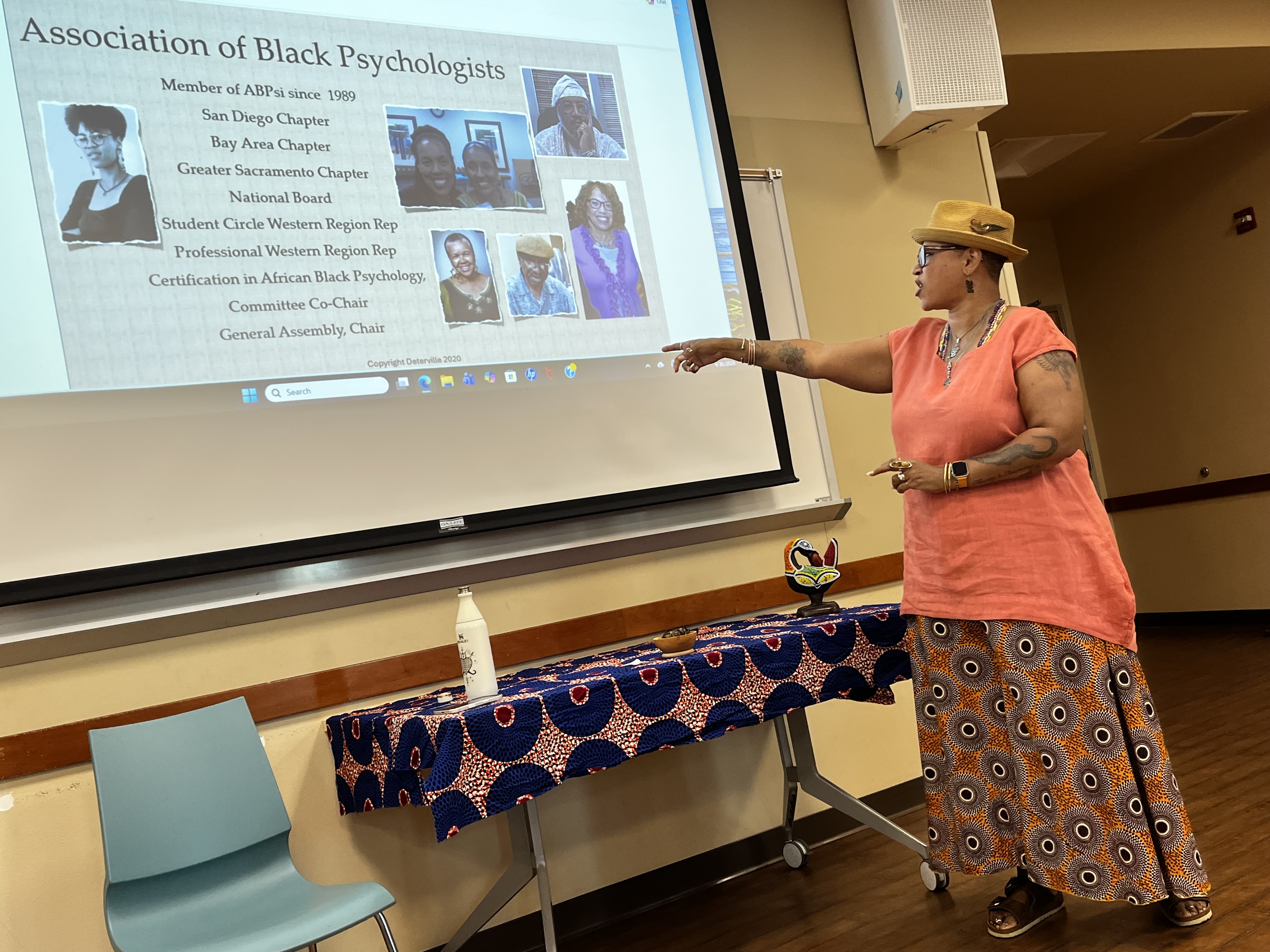
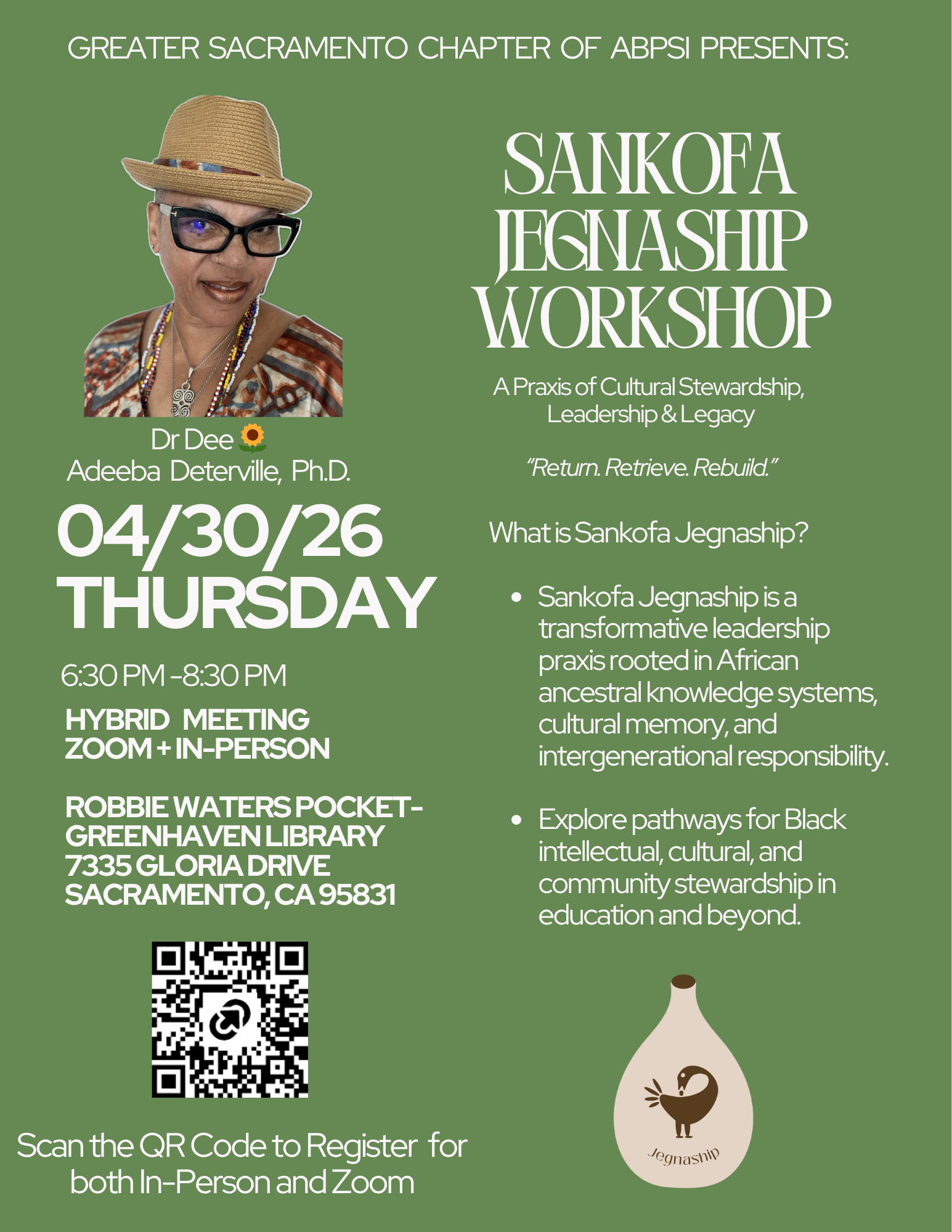
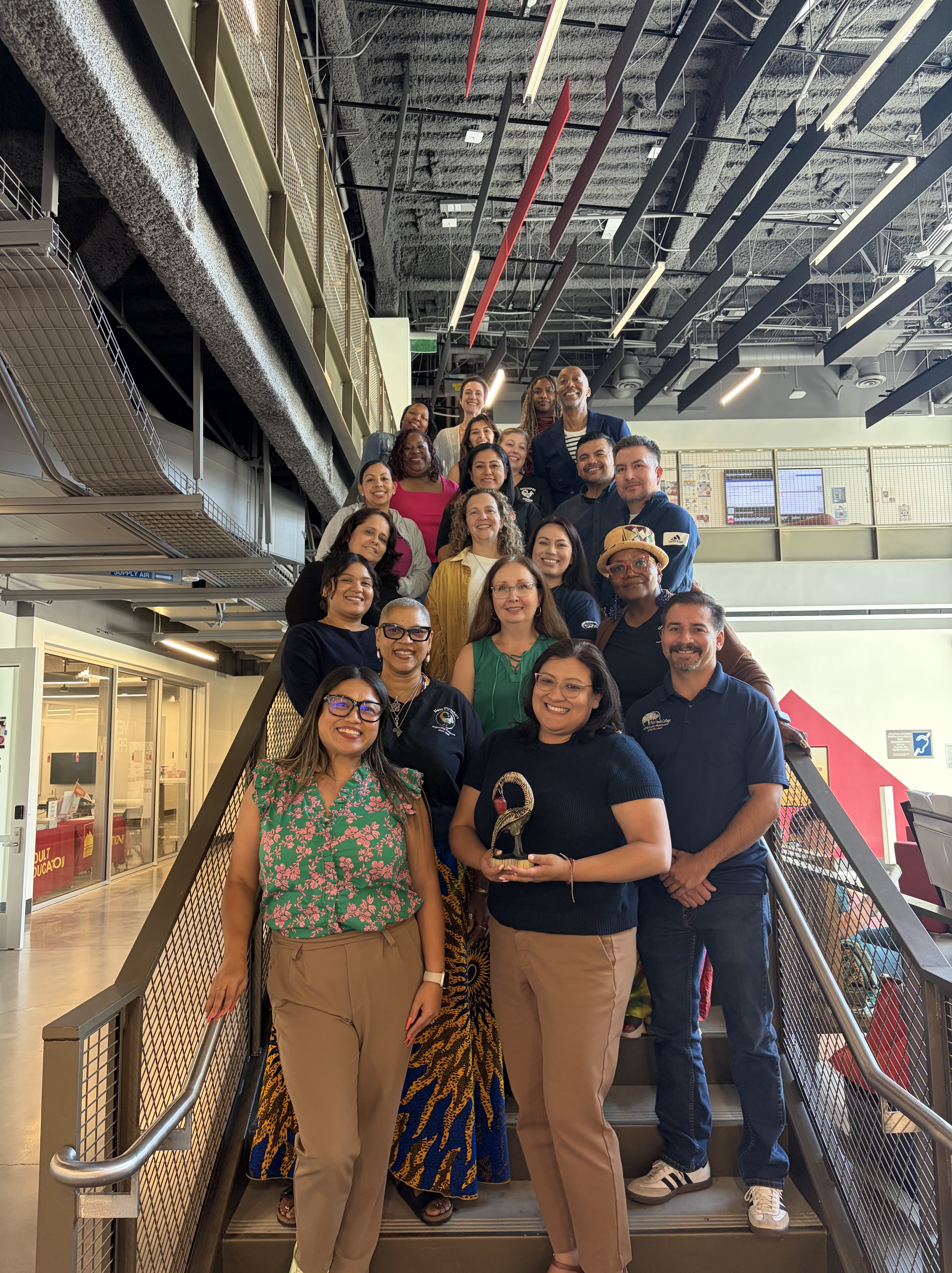
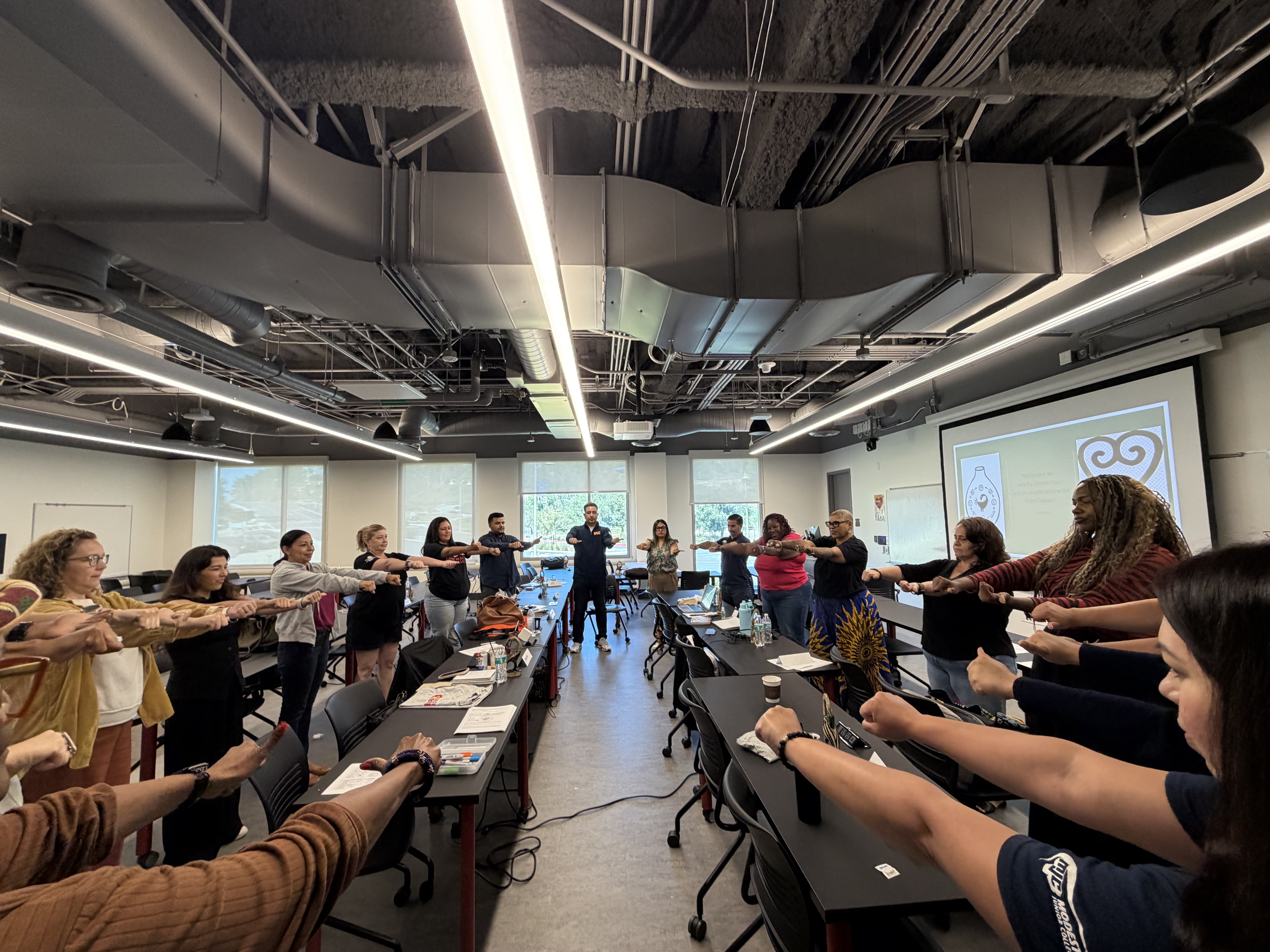
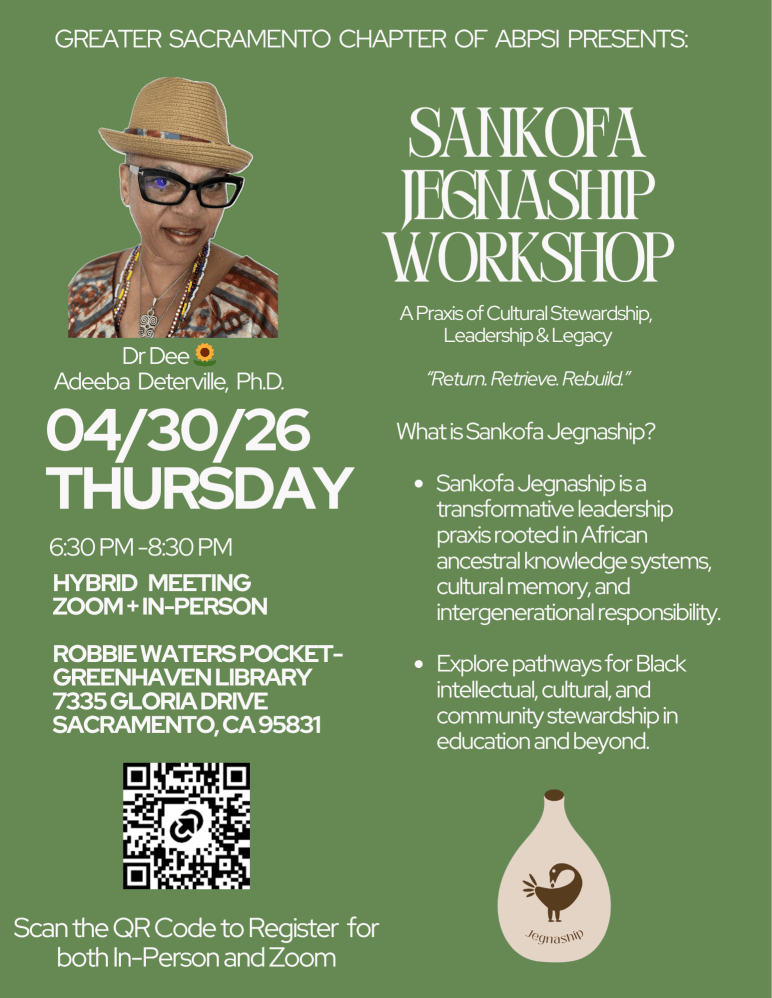
In April 2026, I had the honor of bringing Sankofa Praxis and Jegnaship to the Pathway to African-Centered Education (PACE) community at Sacramento City College. This offering was rooted in my ongoing work as a scholar-practitioner, cultural worker, and founder of Sankofa Praxis.

Through this session, I invited students to consider how ancestral wisdom, African-centered ways of knowing, and intentional guided relationships can support their preparation for the Sacramento City College Study Abroad to Ghana Program.

For me, Sankofa Praxis is not only a theory. It is a living pedagogy. It is a way of remembering, reclaiming, practicing, and transmitting wisdom so that we may walk forward with greater clarity, alignment, and responsibility.


About the PACE Program

The Pathway to African-Centered Education (PACE) program cultivates community for students of African ascent through the Sacramento City College Study Abroad to Ghana Program. Rooted in African-centered education, cultural reclamation, and collective care, PACE creates a learning space where students can explore identity, ancestry, history, spirit, and purpose.

Through study abroad, guided reflection, and communal engagement, PACE invites students to deepen their relationship to African diasporic knowledge while preparing to walk the journey with humility, responsibility, and connection.

Learn more about the program through the Sacramento City College ASHÉ Center:
https://scc.losrios.edu/student-resources/ashe-center


Opening the Way

When I work with students through Sankofa Praxis, I begin from the understanding that education is not only intellectual. Education is also cultural, spiritual, relational, and ancestral.

The PACE journey is not simply a program, a trip, or a course of study. It is a journey of remembrance, reclamation, relationship, and responsibility. It asks students to consider not only where they are going, but who and what made their journey possible.

At the heart of this experience is Sankofa: the call to go back and fetch what has been forgotten so that we may move forward with clarity, courage, and purpose.

In this work, I invited students to ask deeper questions:

What wisdom do I carry?

Who planted that wisdom in me?

What must I remember before I move forward?

How do I prepare myself to walk into Ghana with humility, gratitude, and responsibility?

These questions are not only academic. They are transformative.


Sankofa Praxis: Returning, Reclaiming, and Moving Forward

Sankofa Praxis is an Africentric meta-theory I developed as part of my scholarly and cultural work. It brings together Sankofa, Jegnaship, African/Black Psychology, Spiritness, Personhood, and Africentric ways of knowing.

Sankofa Praxis asks us to consider how we reclaim the wisdom that has been interrupted, buried, dismissed, or forgotten. It also asks how we restore psycho-spiritual wellness, cultural alignment, and collective responsibility.

Sankofa is not nostalgia. It is not merely looking backward. It is an active and intentional process of retrieval. The Sankofa bird moves forward while looking back, reminding us that the past, present, and future are always in relationship.

Praxis means knowledge and practice. Sankofa Praxis therefore asks us to do more than study African-centered ideas. It asks us to embody them. It asks us to live them. It asks us to allow ancestral wisdom to shape how we think, how we relate, how we serve, and how we move in the world.

For the PACE community, Sankofa Praxis offered a framework for preparing for Ghana not simply as a destination, but as a sacred site of memory, return, learning, and responsibility.


What Goes Into the Calabash of Sankofa Praxis?

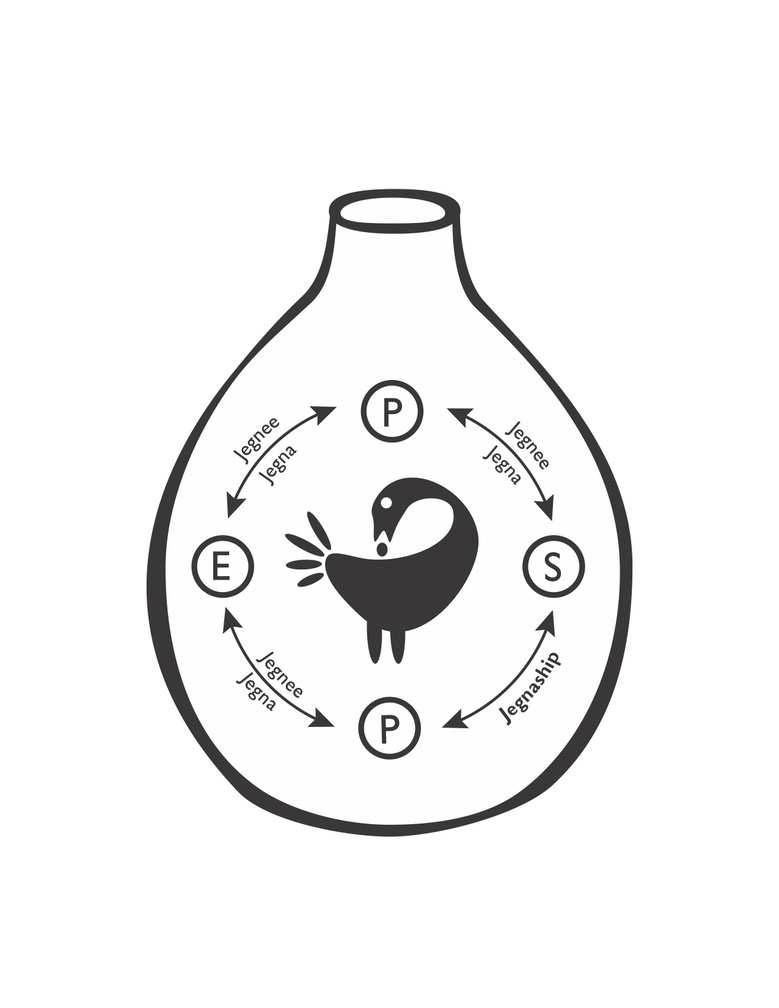
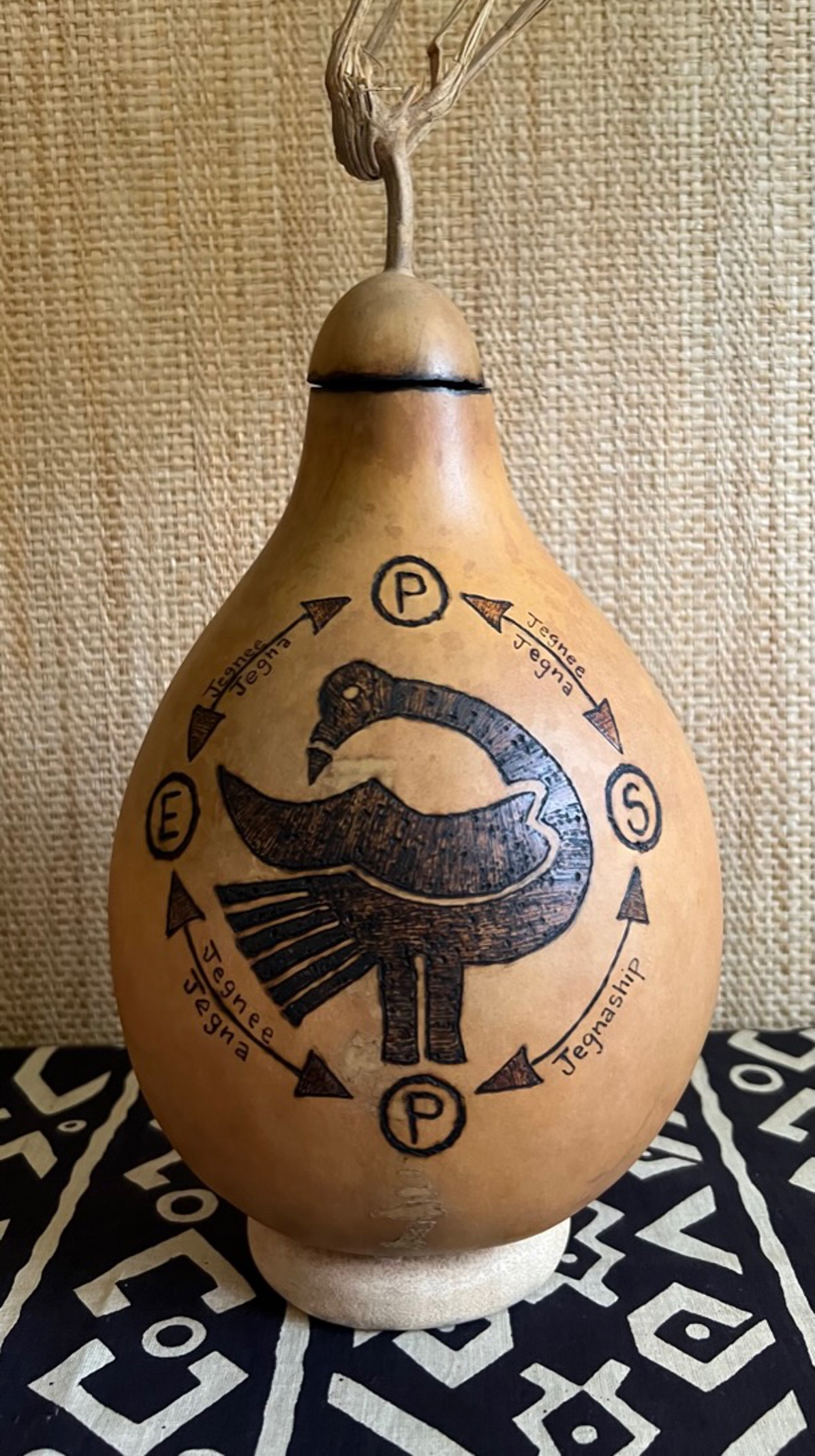
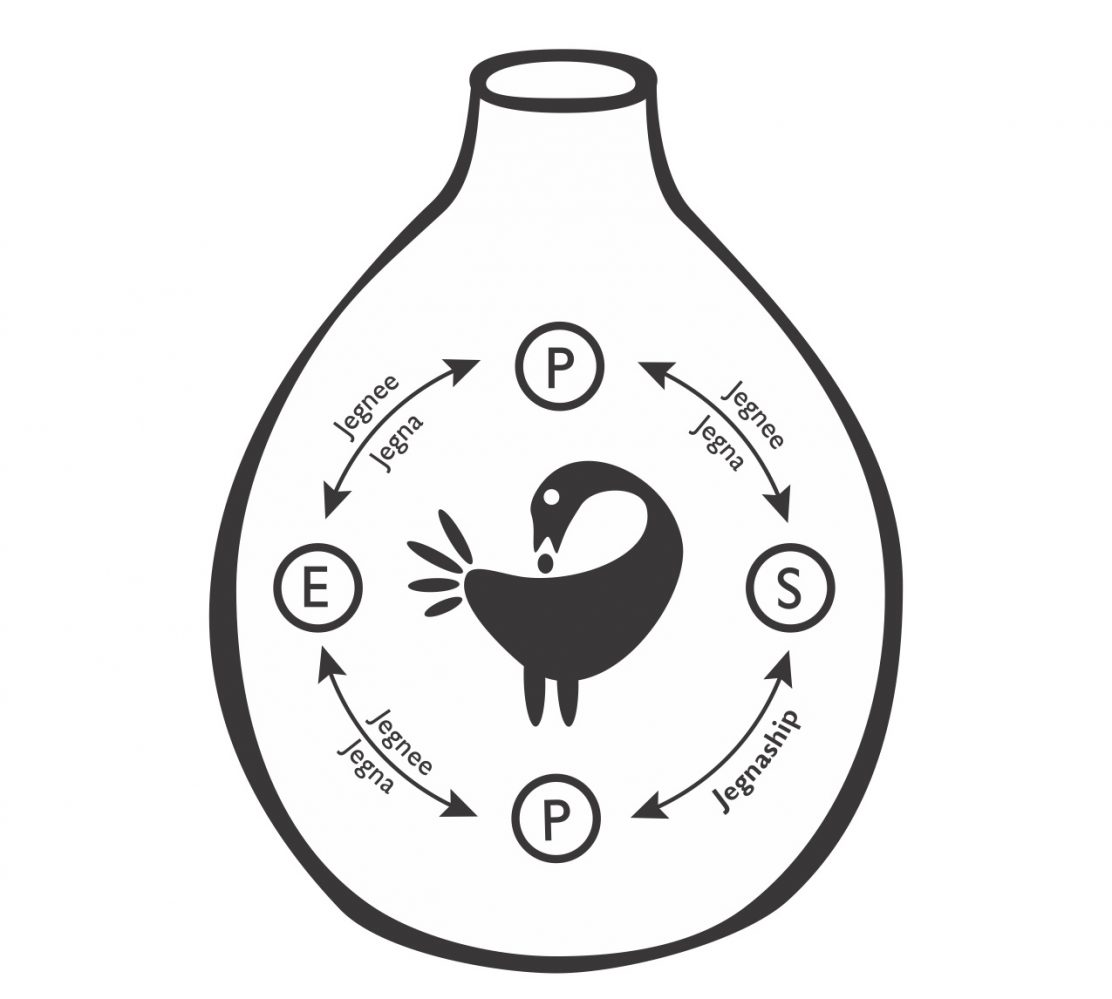
One of the central symbols I use in Sankofa Praxis is the calabash.

The calabash gourd has long served African people as a vessel for food, water, ritual, art, music, and knowledge. Within Sankofa Praxis, the calabash becomes a sacred container for memory, spirit, wisdom, and transformation.

When I ask, “What goes into the calabash of Sankofa Praxis?” I am asking us to consider what we must gather in order to support our becoming.

What ancestral teachings do we carry?

What values guide us?

What practices keep us aligned?

What relationships help us remember who we are?

What responsibilities are we willing to accept?

The calabash holds more than information. It holds our stories, our lineages, our spiritual commitments, our cultural memory, and our collective future.


Jegnaship Is Not Mentorship

A major part of my offering to the PACE community focused on Jegnaship.

Jegnaship is not the same as mentorship.

Mentorship is often understood through a Western frame: a more experienced person guiding someone less experienced. Jegnaship, however, emerges from an African-centered worldview. It is relational, communal, intentional, reciprocal, and rooted in responsibility to the people.

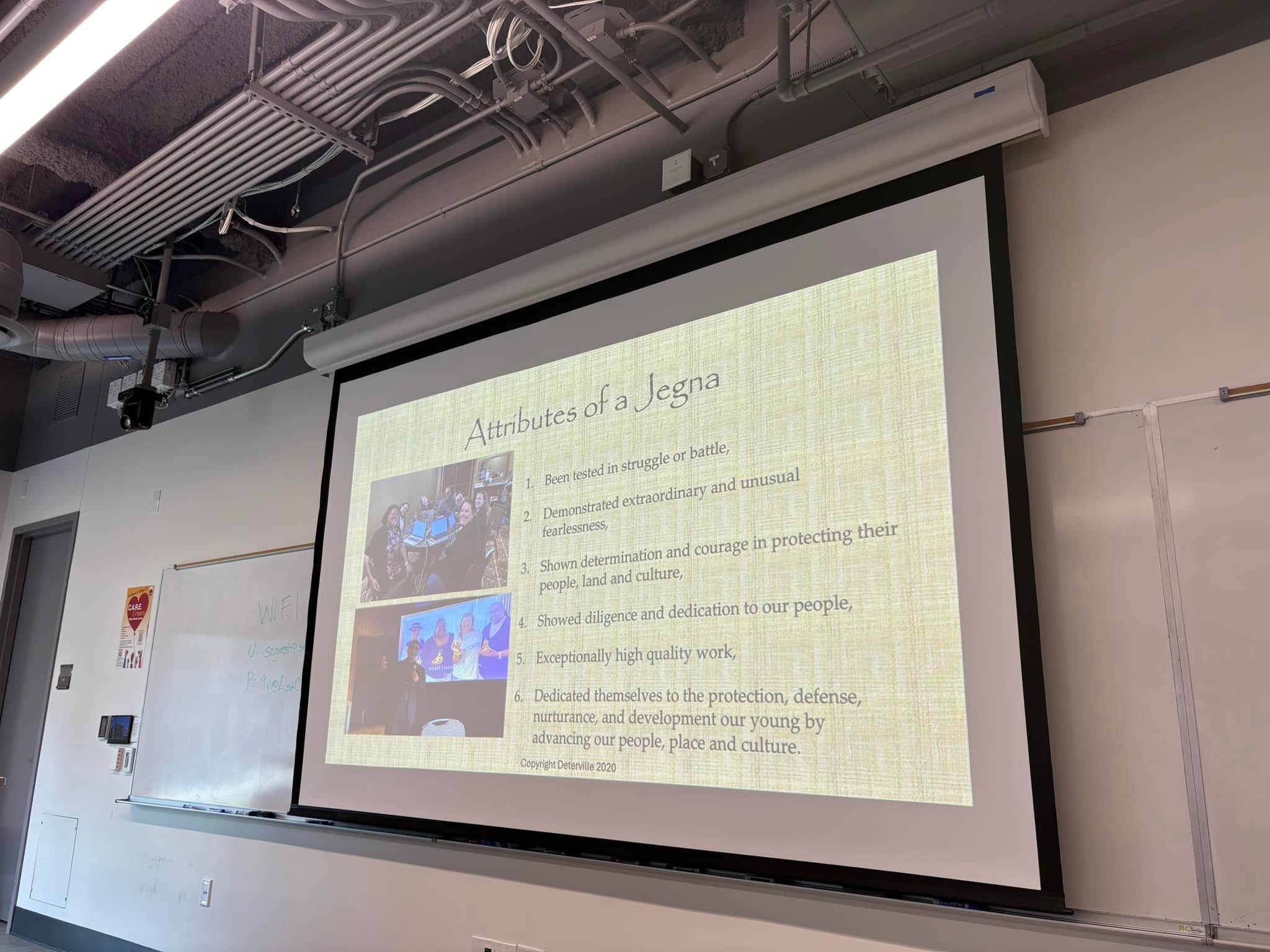
Jegna is not simply a person with knowledge. A Jegna is one who has been tested in struggle, demonstrated courage, protected the people, shown dedication to culture and community, and committed themselves to the nurturance and development of others.

In this way, Jegnaship is not merely a title. It is a living responsibility.

Jegnee is a developing person who seeks the guidance of a Jegna. But the Jegnee is not passive. They are actively engaged in transformation. They receive wisdom, practice it, and eventually become responsible for modeling and transmitting what they have learned.

This is why I offered Jegnaship to PACE students as a way to think about their own journey. Each student has been shaped by wisdom warriors, elders, teachers, family members, community members, and ancestors. Each student is also becoming someone who will one day transmit wisdom to others.

Jegnaship helps us see education as intergenerational responsibility.


Remembering the Ancestors

No African-centered educational journey can begin without acknowledgment.

In the PACE session, we opened with dedication, libation, and remembrance of those whose work, sacrifice, struggle, and love made the present moment possible. This was not a ceremonial addition to the learning experience. It was part of the pedagogy.

The ancestral frame reminds us that none of us arrives alone.

For any one of us to be here, thousands of ancestors had to survive, love, labor, pray, resist, dream, and endure. Across generations, they carried seeds of possibility that now live in us.

To honor the ancestors is not only to speak their names. It is to ask:

What did they plant in me?

What wisdom am I carrying?

What unfinished work am I responsible for continuing?

How will my life become worthy of remembrance?

As students prepare to travel to Ghana, these questions become even more significant. Ghana is not simply a place to visit. It is a place of ancestral encounter, cultural memory, historical reckoning, and spiritual return.


The Sankofa-Jegnaship Journey

During the session, I invited students to reflect on their Sankofa-Jegnaship Journey across three time dimensions: past, present, and future.

In the past, we ask:

Who is a Jegna who shaped my life?

What seed did they plant?

How has that wisdom taken root in me?

In the present, we ask:

Who is in my wise council now?

What wisdom are they transmitting?

How is this wisdom impacting my life today?

In the future, we ask:

Who am I becoming a Jegna for?

What am I transmitting?

How do I want to be remembered?

These questions move African-centered education beyond content delivery. They invite reflection, accountability, and transformation. They ask students to locate themselves within a chain of wisdom and responsibility.

For me, this is one of the most powerful parts of Sankofa Praxis. It helps students understand that they are not only learners. They are carriers of wisdom. They are links in a chain. They are future ancestors in formation.

Education becomes more than acquiring information.

Education becomes becoming.


Sankofa Behavior: Preparing for Ghana

I also invited students to reflect on behavior as part of their preparation for the PACE journey.

When we experience stress, change, discomfort, or unfamiliar environments, how do we respond?

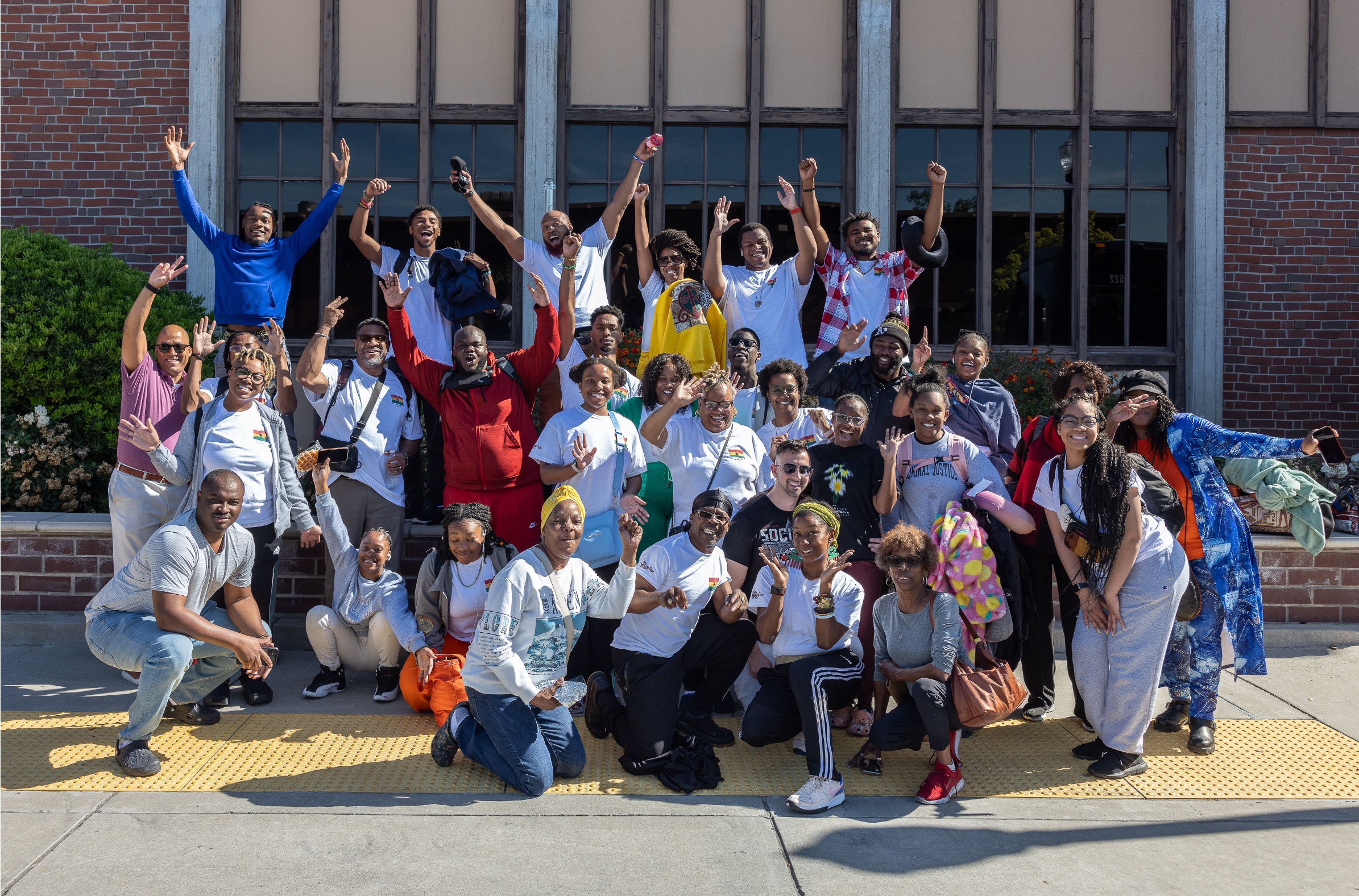
Doug Cupid Photography

What past behaviors helped us survive?

What behaviors may no longer serve our growth?

What wisdom have we gained from previous challenges?

What Jegna attributes can support us as we move forward?

Sankofa Behavior asks us to retrieve wisdom from past experiences without being trapped by them. It asks us to reflect on who we have been, who we are becoming, and how we want to show up in community.

As students prepare for Ghana, this reflection is essential. Travel, cultural immersion, group learning, and spiritual encounter can bring both beauty and discomfort. Students may experience awe, joy, grief, confusion, connection, and transformation.

The question becomes:

What qualities must I cultivate so I can walk this journey with humility, courage, respect, and collective care?

A Jegna attribute might be patience. It might be courage. It might be discipline, attentiveness, clarity, or devotion to the people.

Whatever the attribute, the practice is the same: to move from reaction to reflection, from individualism to responsibility, from “me” to “we.”


Walking as We and Not Only Me

The PACE session closed with an Ubuntu-centered affirmation:

The Divine in me joins the Divine in you, and you and me become we, in the calabash.

This closing affirmation is excerpted from work created by Wade W. Nobles, Ph.D. and Lawford Goddard, Ph.D.

This affirmation holds the essence of what I hoped students would carry with them.

We are not separate from one another.

We are not separate from those who came before us.

We are not separate from the generations yet to come.

We are held in the calabash together.

To walk the PACE journey is to walk as we and not only as me. It is to remember that African-centered education is not simply about curriculum, travel, or cultural exposure. It is about culture, spirit, relationship, personhood, memory, and collective actualization.

Sankofa Praxis reminds us to retrieve what we need.

Jegnaship reminds us that wisdom must be guided, practiced, and passed on.

Ubuntu reminds us that our becoming is shared.

May we walk forward with ancestral clarity.

May we carry the wisdom well.

May we plant seeds worthy of future generations.

Ase.


Copyright and Permissions Notice

© 2026 Sankofa Praxis LLC. All rights reserved.

The concept of Sankofa Praxis is the intellectual property of Adeeba D. Deterville, Ph.D. Do not reproduce, distribute, teach, adapt, publish, or use this material without explicit written permission from Sankofa Praxis LLC and Adeeba D. Deterville, Ph.D.


CCCEOPSA New Directors Jegnaship Program Culminates at Saddleback College

The 2025–2026 CCCEOPSA New Directors Jegnaship Program culminated at Saddleback College with a heartwarming closing session rooted in Sankofa Praxis, ancestral remembrance, community, and leadership in service of students.

Seventeen Jegnees. Fourteen Jegnoch. Ten regions represented. Twenty-two districts. Twenty-four campuses.

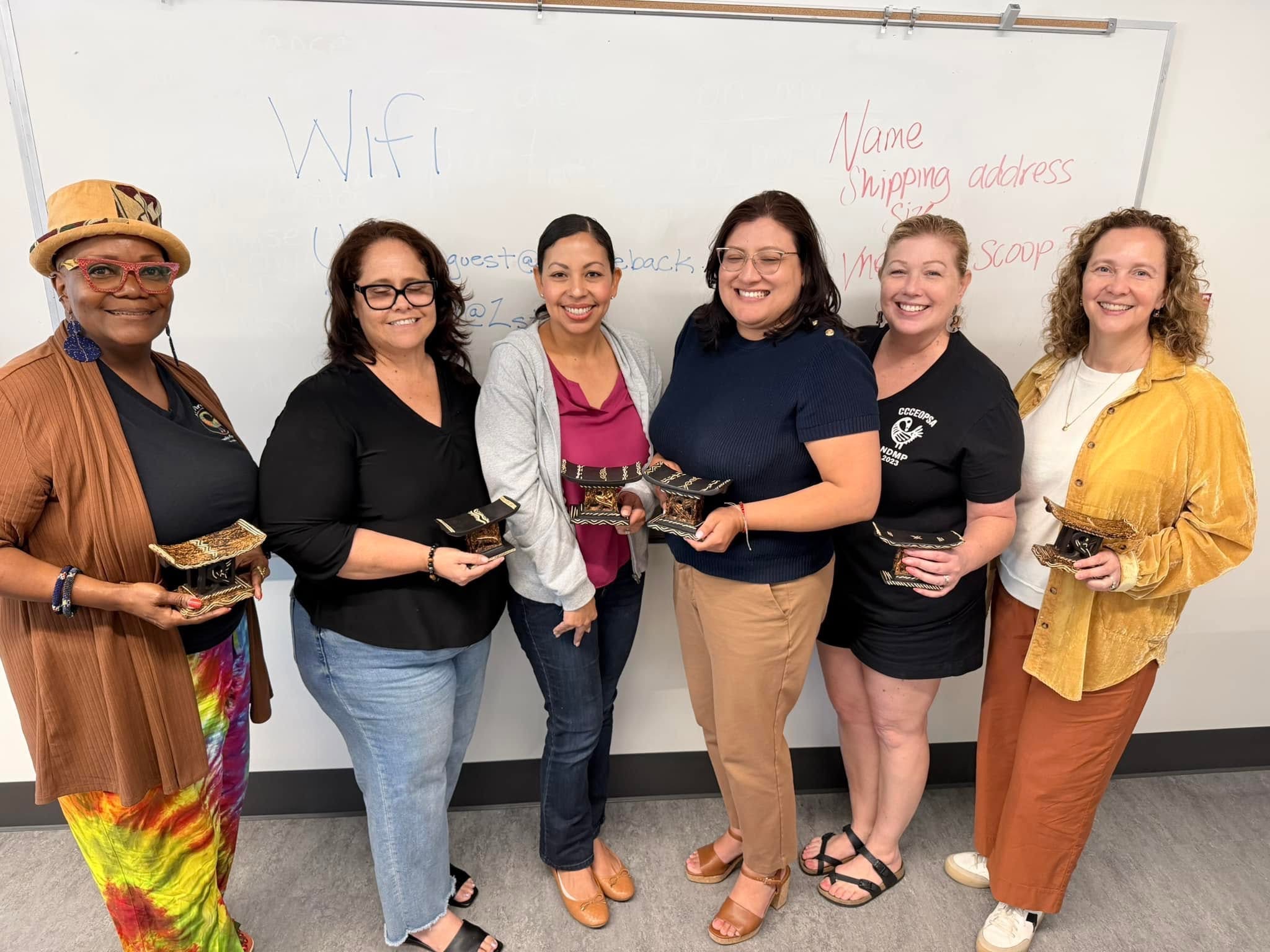
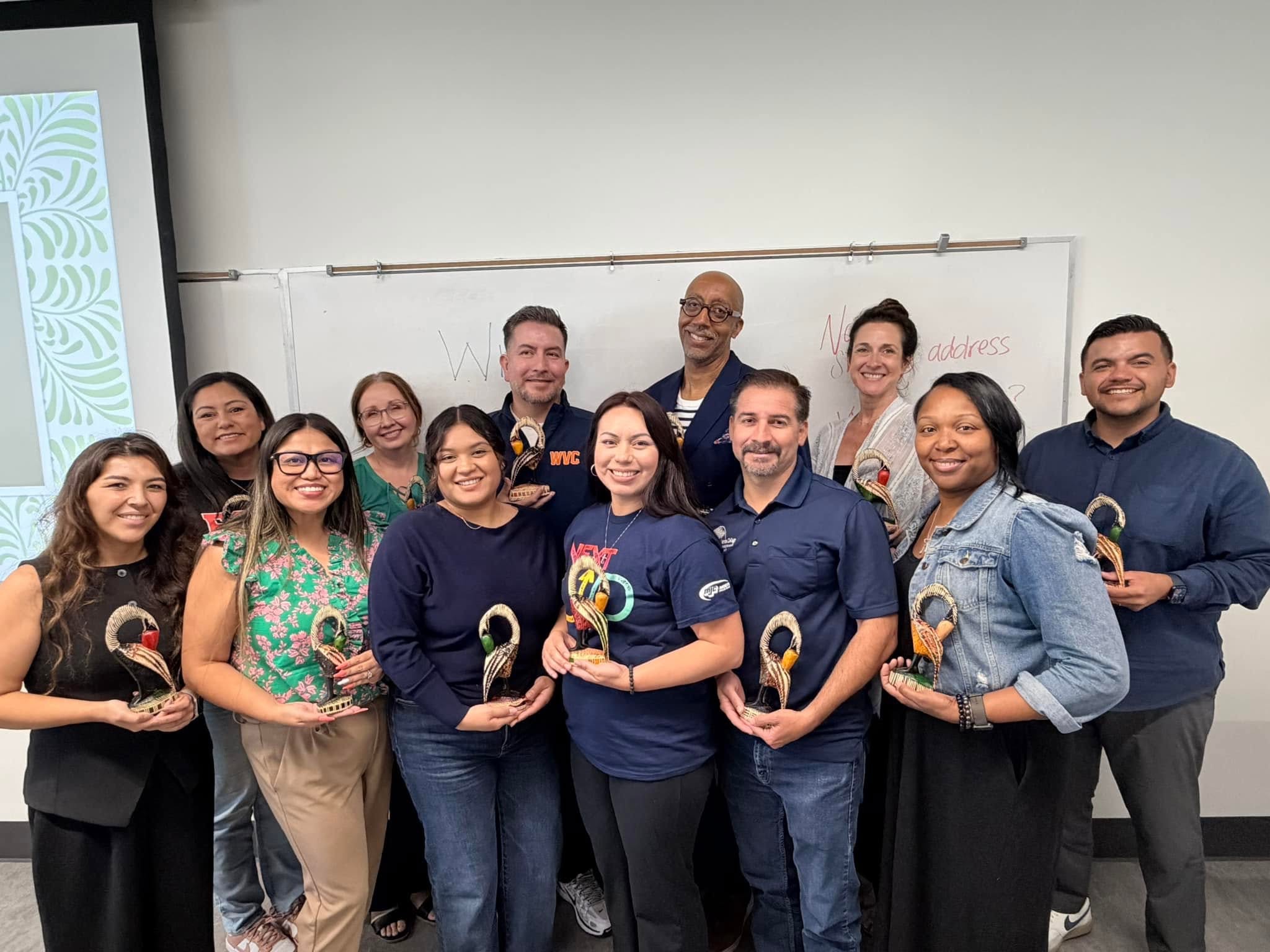
Jegnees and Jegnoch from across California gather in community, representing all ten regions, 22 districts, and 24 campuses.

The 2025–2026 CCCEOPSA New Directors Jegnaship Program came to a powerful and heartwarming close at Saddleback College on June 17, 2026. Facilitated by Iya Adeeba D. Deterville, PhD, the closing session brought together new and experienced EOPS leaders from across California for a culminating experience rooted in reflection, culture, community, and purpose.

The session, titled “Refining Your Jegnaship Practice,” marked the culmination of a yearlong relational, African-centered development process designed to pair new EOPS directors with more experienced directors. Together, participants reflected on leadership not simply as a position, but as a responsibility to students, communities, ancestors, and future generations.

CCCEOPSA New Directors Jegnaship Program participants celebrate the culmination of their yearlong journey at Saddleback College. (Jegnoch)
CCCEOPSA New Directors Jegnaship Program participants celebrate the culmination of their yearlong journey at Saddleback College. (Jegnee)

Grounded in Purpose and Lineage

The day opened by grounding participants in purpose and lineage through reflection, ancestral remembrance, and Sankofa libation. As shared in the closing handout:

“To do that which is of value is eternity. And a person called forth by their works does not die. For their name is raised and remembered because of it.”
— Seti I

This reflection invited participants to consider the chain of lives that made their presence possible. Over the last 400 years, across twelve generations, each person represents thousands of ancestors whose prayers, struggles, determination, and hopes helped make the present moment possible.

In that spirit, the gathering honored those who came before us and called their wisdom into the room. Participants were reminded that naming and remembering our forebears is itself an act of Sankofa.

Sankofa Praxis: Remembering in Order to Move Forward

At the heart of the closing session was Sankofa Praxis, a transformational framework that integrates cultural reclamation, relational development, African-centered ways of knowing, psychology, spiritness, and personhood.

The handout defines Sankofa as the cultural concept of going back to retrieve what has been forgotten in order to move forward. Praxis is described as the integration of knowledge and practice. Together, Sankofa Praxis asks leaders to remember, reclaim, apply, and transform.

This was not a passive reflection. It was an invitation to carry ancestral wisdom into the everyday work of serving students, leading programs, shaping policy, building teams, and advocating for equity across California Community Colleges.

Sankofa-Jegnaship Is Not Mentorship

A central theme of the session was the distinction between mentorship and Sankofa-Jegnaship.

Jegnaship was presented as a relational, African-centered, intentionally guided development process for intergenerational knowing and knowledge transfer. Unlike traditional mentorship, Sankofa-Jegnaship is not a one-way relationship from expert to novice. It is a mutual co-learning experience in which wisdom, practice, and responsibility move dynamically between participants.

This distinction matters deeply for the New Directors Jegnaship Program. New directors are not simply recipients of knowledge. They are developing Jegnas, actively engaged in transformation, modeling what they have learned, and contributing to the collective growth of the field.

The Attributes of a Jegna

The closing session also invited participants to reflect on the attributes of a Jegna. A Jegna is an honored and accomplished person who has been tested through struggle, demonstrated fearlessness, shown courage in protecting their people and culture, produced high-quality work, and dedicated themselves to the protection, defense, nurturance, and development of the young.

These attributes served as a bridge between cultural grounding and professional practice. Participants considered how the qualities of a Jegna show up in the daily work of EOPS leadership: advocating for students, creating psychological safety for staff, making data-informed decisions, stewarding resources responsibly, and remaining courageous in difficult conversations.

Applying Jegnaship to EOPS Leadership

The work of the NDJP is both cultural and practical. The program connects the attributes of a Jegna to the responsibilities of leading EOPS, CARE, and NextUp programs.

Throughout the session, participants reflected on five leadership domains:

Increasing New-Director Efficacy
New directors strengthened their understanding of EOPS, CARE, and NextUp foundations, including regulations, Education Code, Title 5, data reporting, program planning, and student-centered advocacy.

Program Management
Participants explored how to create psychological safety, support accountability, build shared student-success visions, train staff, delegate effectively, and review internal policies for compliance and alignment with program intent.

Program Development
The cohort reflected on innovation, inclusive decision-making, equitable processes, and the importance of developing staff through training, refreshed practices, and space for learning.

Implementation
Participants emphasized centering students, disaggregating data to keep equity in focus, aligning internal guidelines with regulations and timelines, stewarding budgets responsibly, and collaborating across departments and advisory boards.

Advocacy
The group affirmed the importance of fearless advocacy: teaching students and communities how to know their rights, staying involved across campus and statewide spaces, engaging difficult conversations, and sharing program accomplishments with stakeholders.

Honoring Ancestors, Communities, and Students

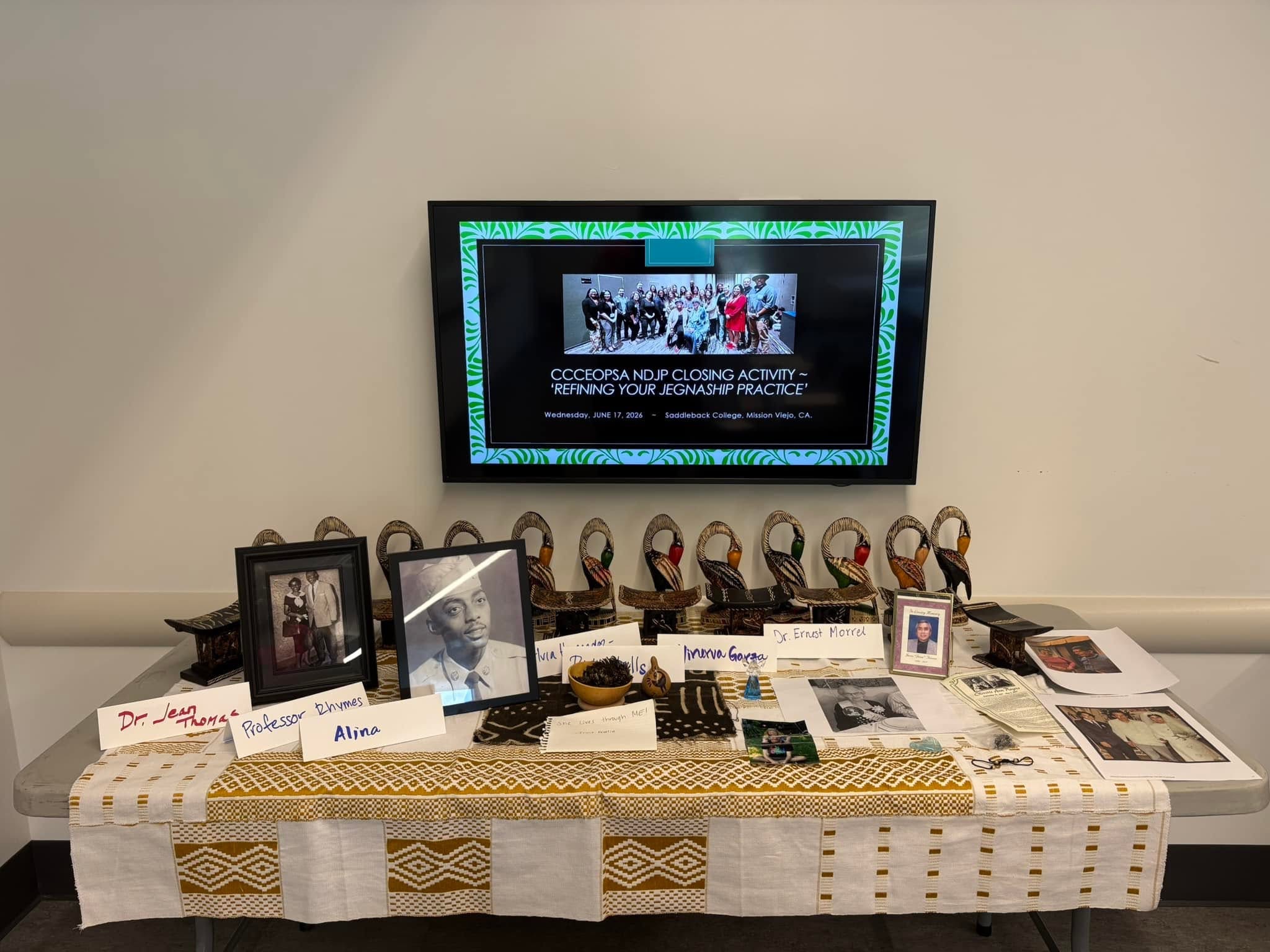
An ancestral and community honor display grounds the closing session in legacy, remembrance, and Sankofa Praxis.

The day included a powerful ancestral and community display with photographs, names, cultural items, and symbolic pieces. This visual remembrance reminded participants that leadership is never isolated from legacy. The work of serving students is connected to those who made a way before us and those who will inherit the future we build.

The closing also reflected the spirit of the Divine Calabash, a symbol of African knowledge, collective responsibility, and connection across visible and invisible realms. The gathering reminded us that leadership is not only administrative. It is spiritual, relational, communal, and deeply human.

Moving Forward as Jegnees and Jegnoch

As the 2025–2026 cohort closes this chapter, participants carry the Sankofa-Jegnaship framework into their daily leadership. They move forward committed to sustaining the regional relationships built through the program and continuing the co-learning relationships that extend beyond the formal session.

The closing words of the handout beautifully capture the spirit of the day:

“The Divine in Me — Joins the Divine in You — and You and Me become We, in the Calabash.”

With gratitude, pride, and renewed purpose, the CCCEOPSA New Directors Jegnaship Program participants move forward as Jegnees and Jegnoch — leaders dedicated to honoring ancestors, serving communities, protecting programs, and advancing student success.

Black Psychology Program at CIIS (BPP@CIIS)

BPP@CIIS 2020 – 2021 Sacred Closing Ceremony

On Friday, 14th May 2021 we celebrated the ancestors work via the Black Psychology Program at CIIS (BPP@CIIS). This sacred closing ceremony was organized by BPP@CIIS Program Assistant, La Tronda Lumpkins, MFT, MBA, Program Student Worker, Shameeka Smalling (Transformative Studies Doctoral Student), with support of Jegnaship Cohort participants, Ahsabi-Monique Burris (Expressive Arts Therapy student), Dr. Sam Grant (Transformative Studies Doctoral graduate), and beloved CIIS community members and friends. Special shout out to Rachel Bryant, MA (Director of the Office of Diversity and Inclusion) for her decades-plus support .

Here is a link to the Zoom Recording of the BPP@CIIS Sacred Closing Ceremony