
A praxis of cultural stewardship, leadership, and legacy
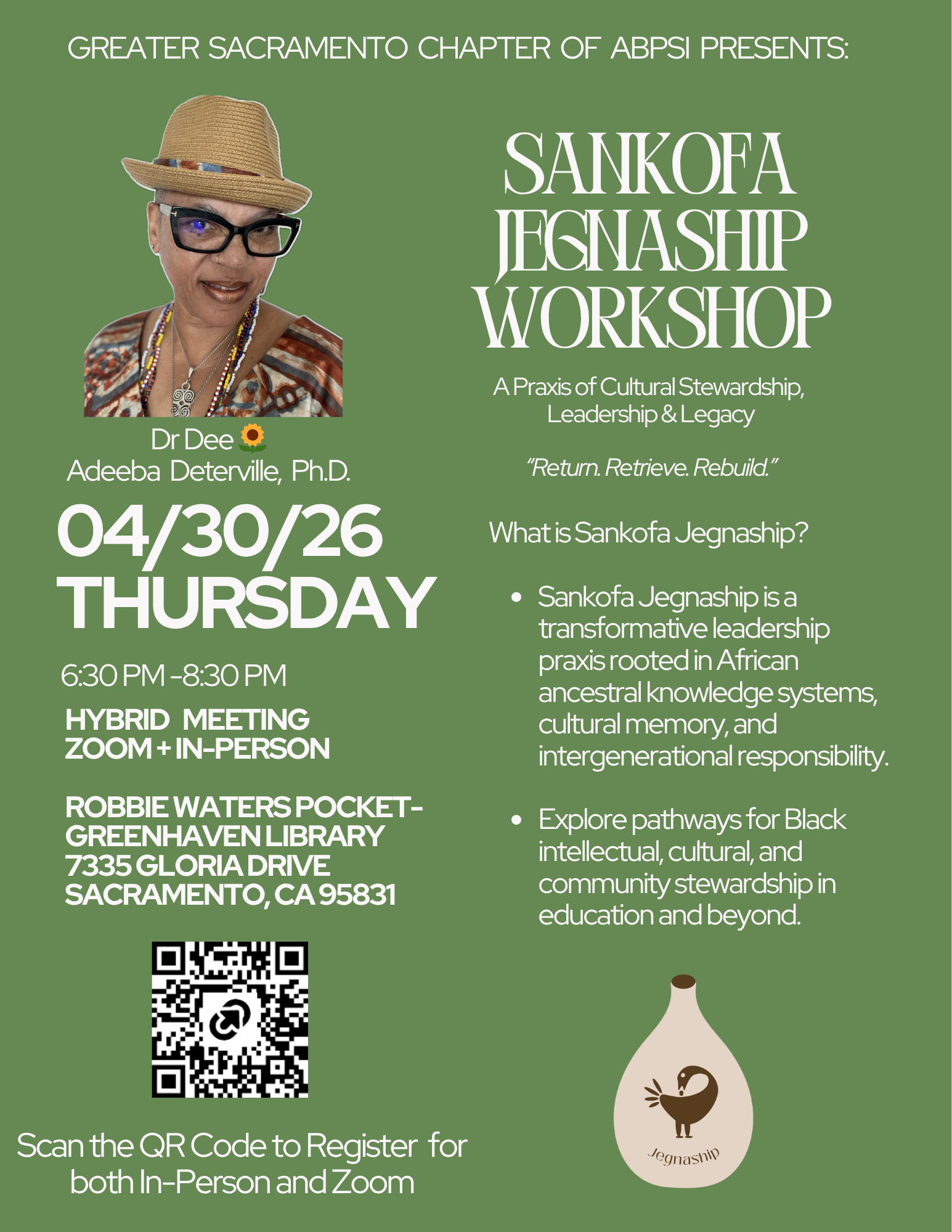
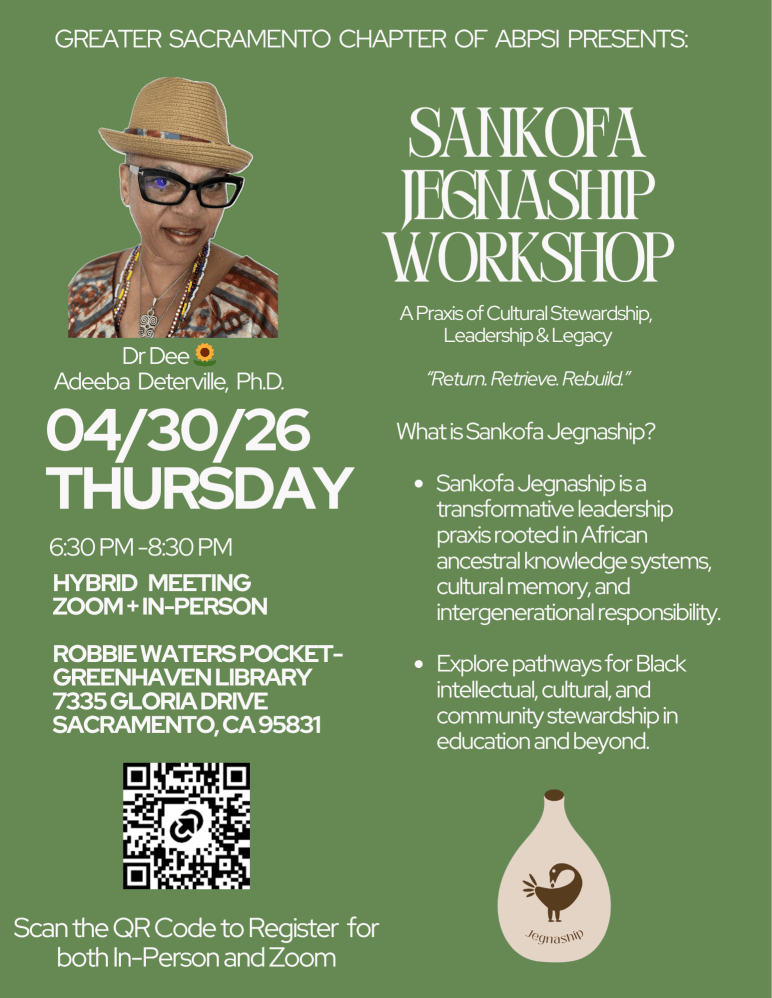
A few months ago, I had the honor of gathering with the Greater Sacramento Chapter of the Association of Black Psychologists for the Sankofa Jegnaship Workshop: Cultivating the Calabash of Sankofa Jegnaship.
The workshop was held on April 30, 2026, as a hybrid gathering rooted in African ancestral knowledge systems, cultural memory, Black psychology, and intergenerational responsibility. But for me, it was never only a workshop. It was an offering.
It was a return.
It was a retrieval.
It was a rebuilding.
“Return. Retrieve. Rebuild.”
Those words carried the spirit of the evening. They named the work I have been called to do: to reach back with reverence, stand in the present with clarity, and move forward with responsibility to those who will come after us.
Becoming Dr. Dee
My journey to Sankofa Praxis did not begin in the academy, although the academy eventually became one of the places where I learned to name, frame, and theorize what I had already known in my bones.
It began in community.
It began with elders, warriors, mothers, teachers, organizers, psychologists, artists, students, colleagues, and everyday Black folk who modeled what it meant to live with purpose. It began in rooms where people poured into me before I even had the language to describe what I was receiving.
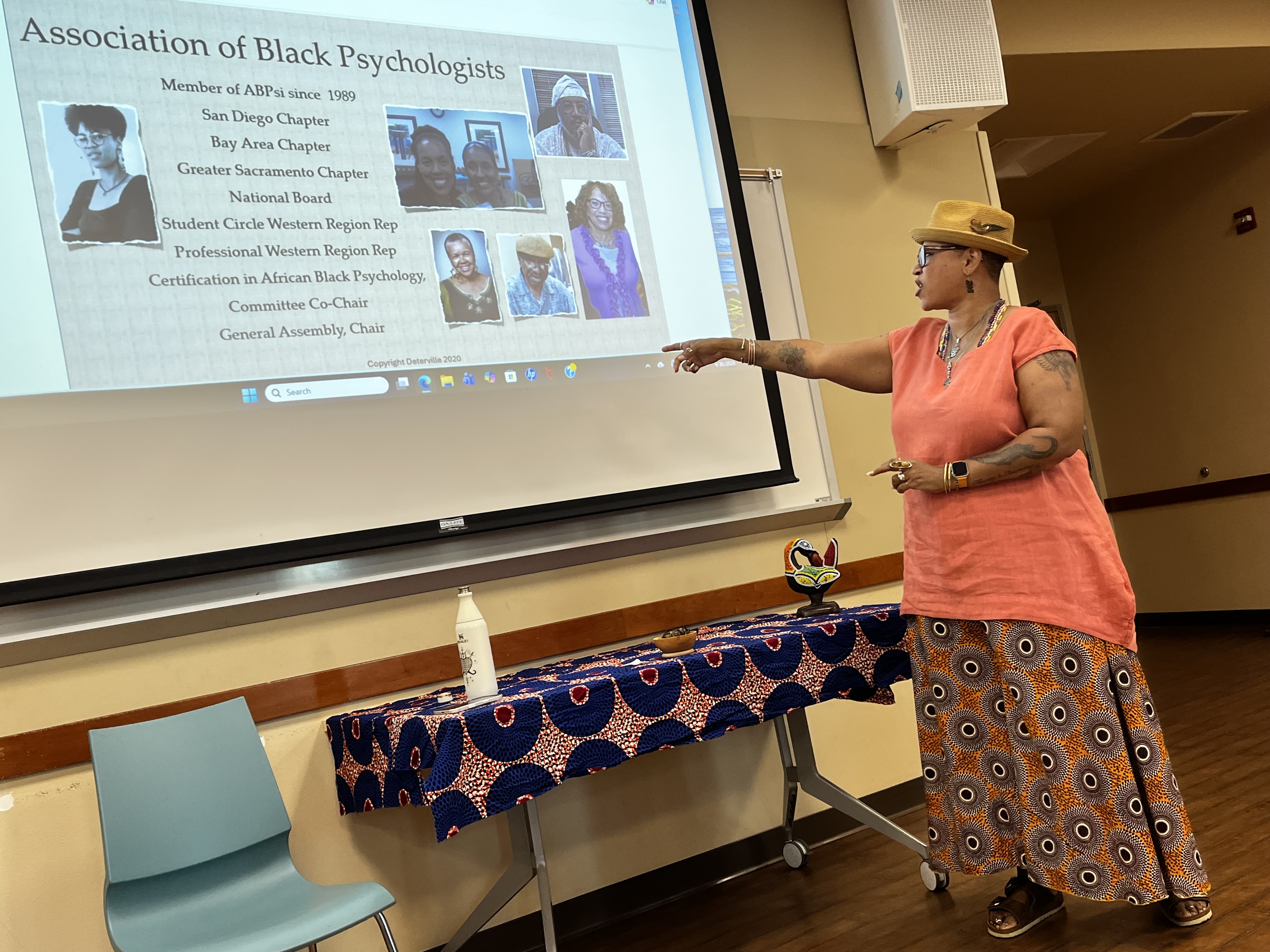
During the workshop, I reflected on my long relationship with the Association of Black Psychologists (ABPsi), beginning in 1989. Across the San Diego Chapter, Bay Area Chapter, Greater Sacramento Chapter, National Board leadership in both student and professional roles, co-developing ABPsi’s Certification in African Black Psychology (CABP), and serving as General Assembly Chair, ABPsi has been more than an organization in my life. It has been part of my formation.
That history is not simply a résumé. It is lineage.
It shaped how I understand African/Black psychology, cultural healing, spiritness, leadership, and collective responsibility.
My professional journey has also moved across three sectors: nonprofit work, corporate community development, and academia. Each sector taught me something different about systems, struggle, people, power, and possibility. I came to understand that my work was not confined to one institution or one discipline. It was always about helping people, communities, and organizations remember who they are, reclaim what has been buried, and realign with their purpose.
Eventually, this journey led to the creation of Sankofa Praxis, an Africentric meta-theory grounded in Sankofa, Jegnaship, Africentric episteme, African/Black psychology, spiritness, and personhood.
But before it was theory, it was lived experience.
Before it was scholarship, it was intuition.
Before it was language, it was memory, survival, spirit, and calling.
What Sankofa Jegnaship Opened Up
In the workshop, we explored Sankofa as more than a symbol. Sankofa teaches us to go back and retrieve what has been forgotten, not so that we remain in the past, but so that we can move forward with wisdom.
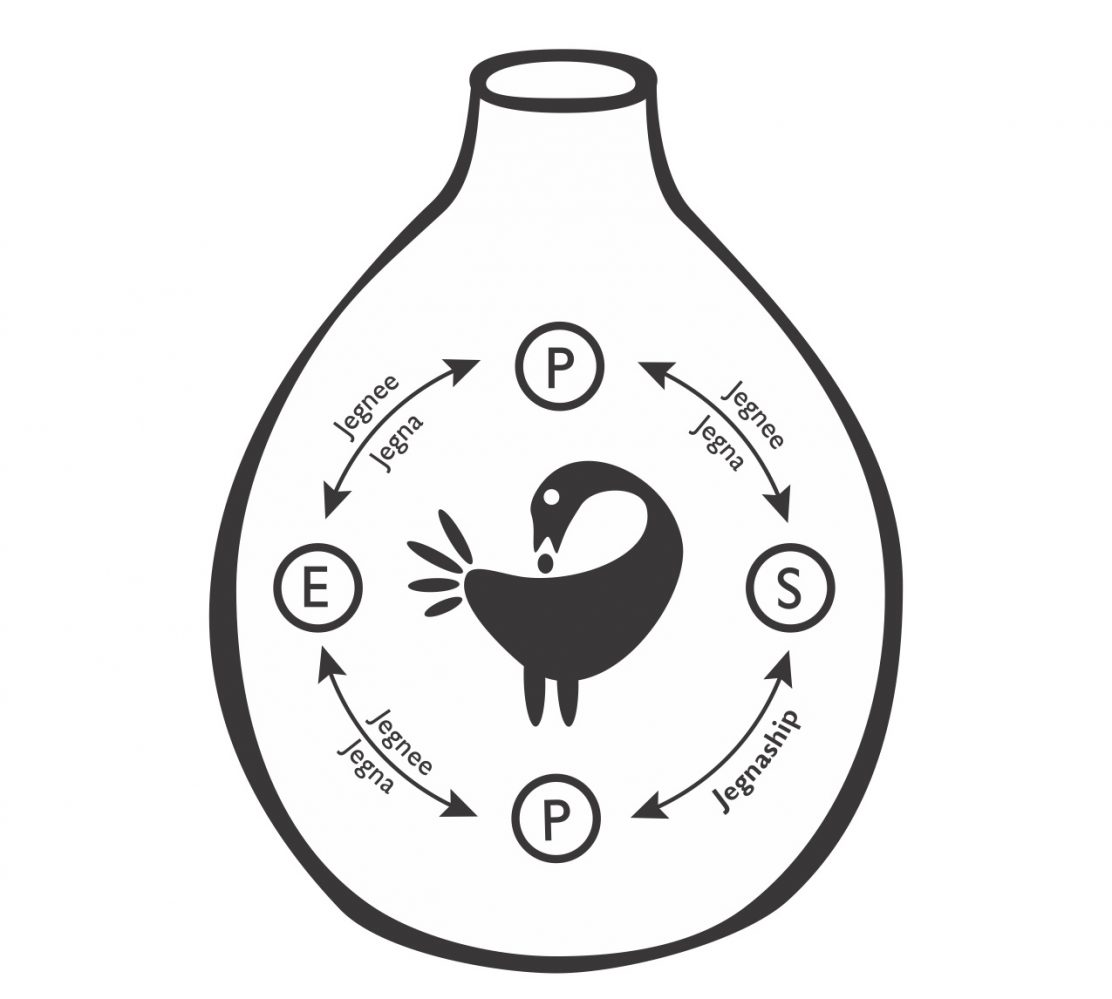
We also explored Jegnaship as something deeper than mentorship.
Mentorship often implies a one-directional relationship: one person knows, another receives. Jegnaship moves differently. It is relational. It is African-centered. It is intentional. It is communal. It is a guided process of intergenerational knowing and knowledge transfer.
Jegnaship is not simply about one person guiding another. It is about mutual development, shared responsibility, and the movement of wisdom across generations.
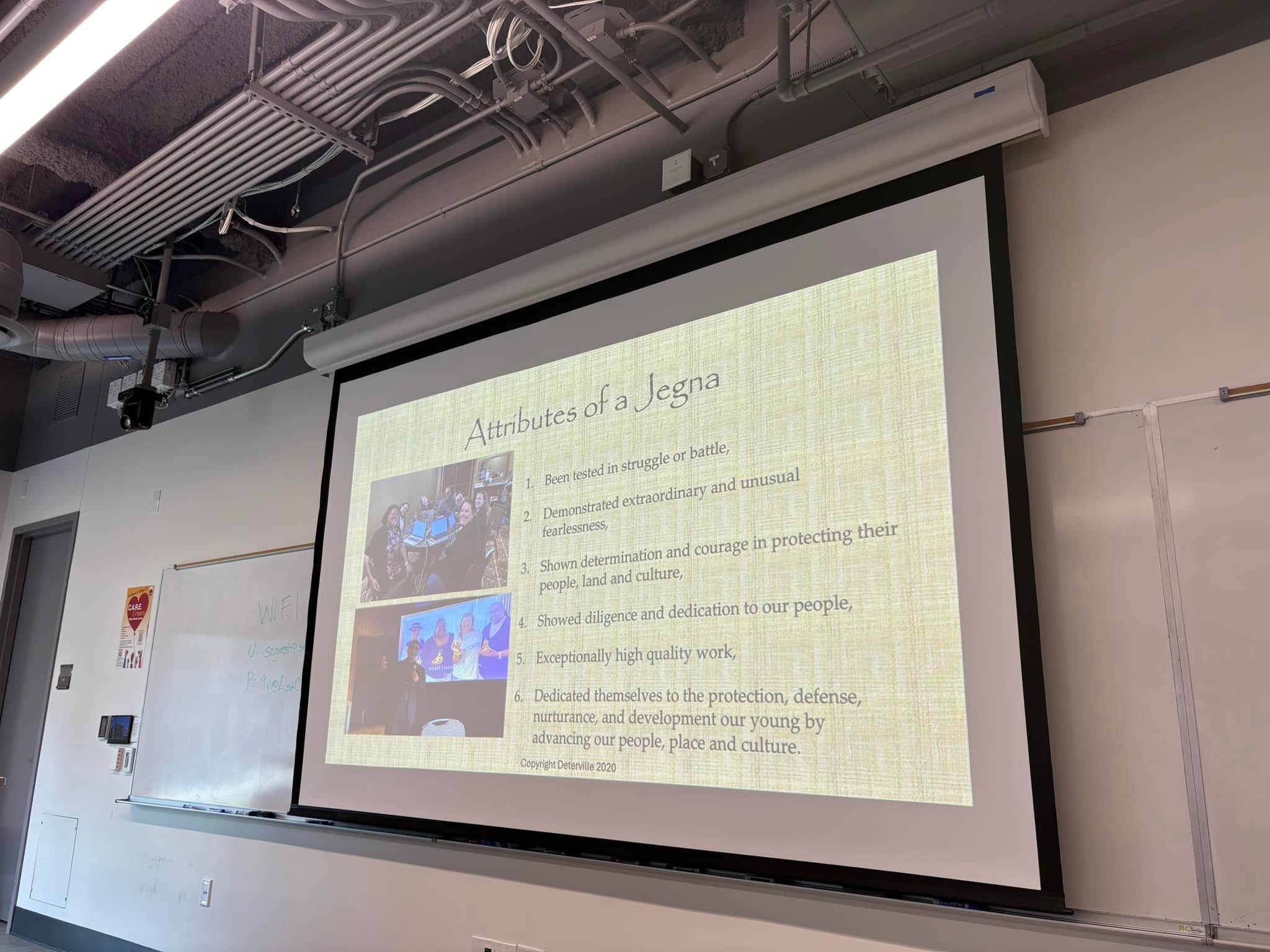
A Jegna is not merely a title. A Jegna is tested through struggle, demonstrates courage, protects people and culture, and dedicates themselves to the nurturance and development of future generations.
A Jegnee is not passive. A Jegnee is a developing person actively engaged in transformation, receiving wisdom while also becoming a future bearer of wisdom.
This is why Sankofa Jegnaship matters. It invites us to ask:
Who shaped me?
What wisdom did they plant?
How has that wisdom taken root?
Who am I guiding now?
What am I transmitting?
How do I want to be remembered?
Cultivating the Calabash
At the heart of the workshop was the calabash.
The calabash is a vessel. A container. A symbol of African knowledge. It has carried food, water, ritual, art, music, memory, and meaning. In Sankofa Praxis, the calabash became a sacred container for what we retrieve, what we hold, what we transform, and what we pour forward.
To cultivate the calabash is to ask:
What am I carrying?
What has been poured into me?
What have I inherited from my ancestors, elders, teachers, and communities?
What must I release?
What must I protect?
What must I pass on?
The calabash reminds us that knowledge is not only intellectual. Knowledge is spiritual, relational, ancestral, embodied, and communal. It holds what is visible and invisible. It holds memory and possibility. It holds the wisdom of those who came before us and the responsibility we carry for those yet to come.
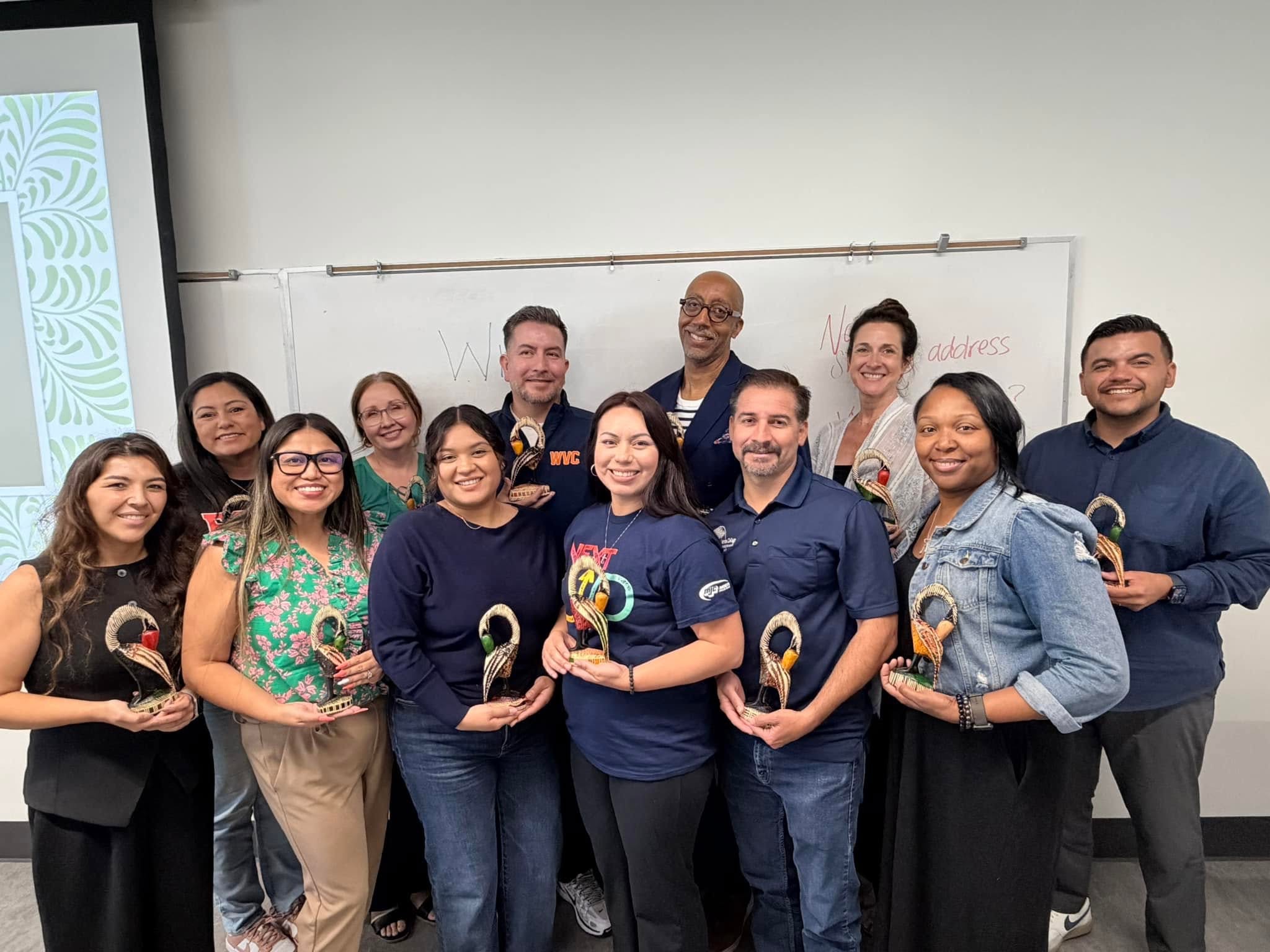
During the workshop, cultivating the calabash became both a personal and collective practice. Participants were invited to remember their Jegnas, name the seeds planted in them, and reflect on how those seeds continue to grow.
The calabash asked us to consider not only what we know, but how we know.
It asked us to honor lived Black history, Africology, African/Black psychology, Ubuntu, spiritness, and personhood as pathways of knowledge.
Five Seeds for the Calabash of Jegnaship
One of the central reflections from the workshop focused on five seeds for cultivating the calabash of Jegnaship:
Identify the Jegnoch — the warrior-teachers, wisdom keepers, and guides who have shaped your life.
Apprehend how you know what you know through lived Black history, Africology, and embodied experience.
Comprehend your psycho-spiritual worldview through Black/African psychology and ontology.
Embrace Ubuntu and community by recognizing the people and institutions that inform your personhood.
Illuminate spiritness by honoring what it means to be African, connected, and divinely rooted.
These seeds were not abstract concepts. They were invitations into practice.
They asked us to look backward, inward, around, and forward. They asked us to name our lineages, honor our wisdom warriors, examine our ways of knowing, and take responsibility for what we are transmitting.
My History Was in the Room
When I stood before the room, I did not stand alone.
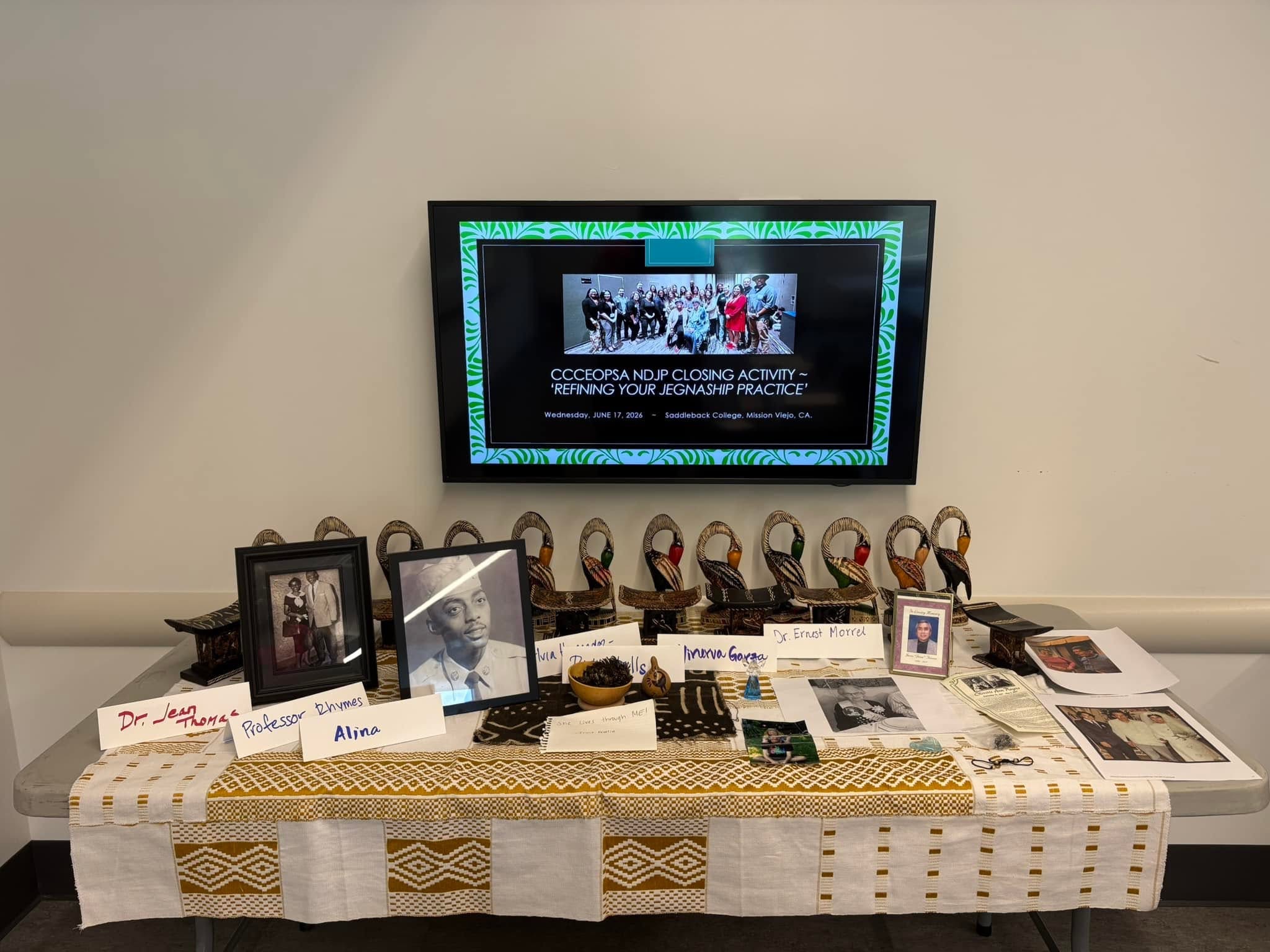
My ancestors were present.
My mothers were present.
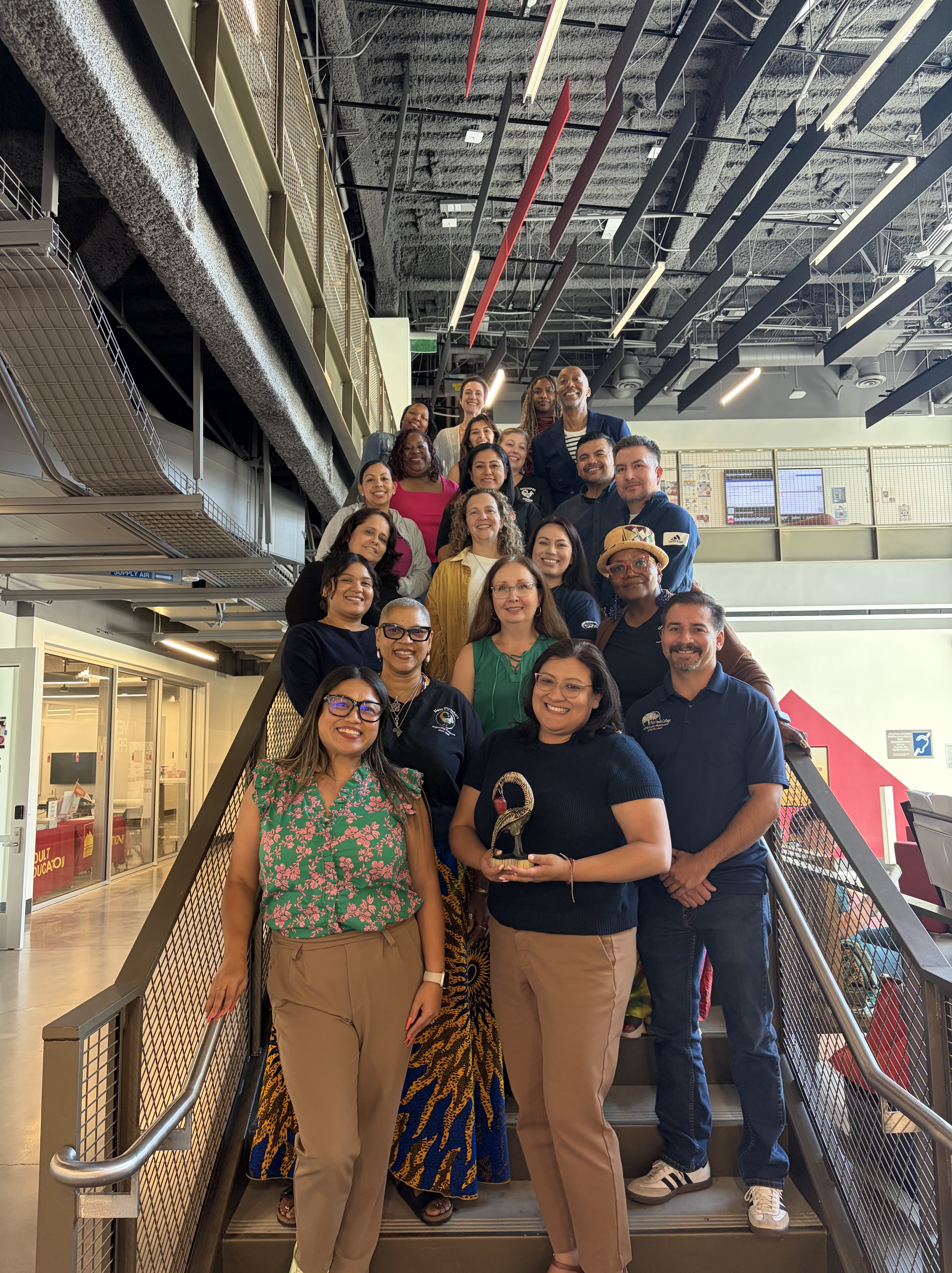
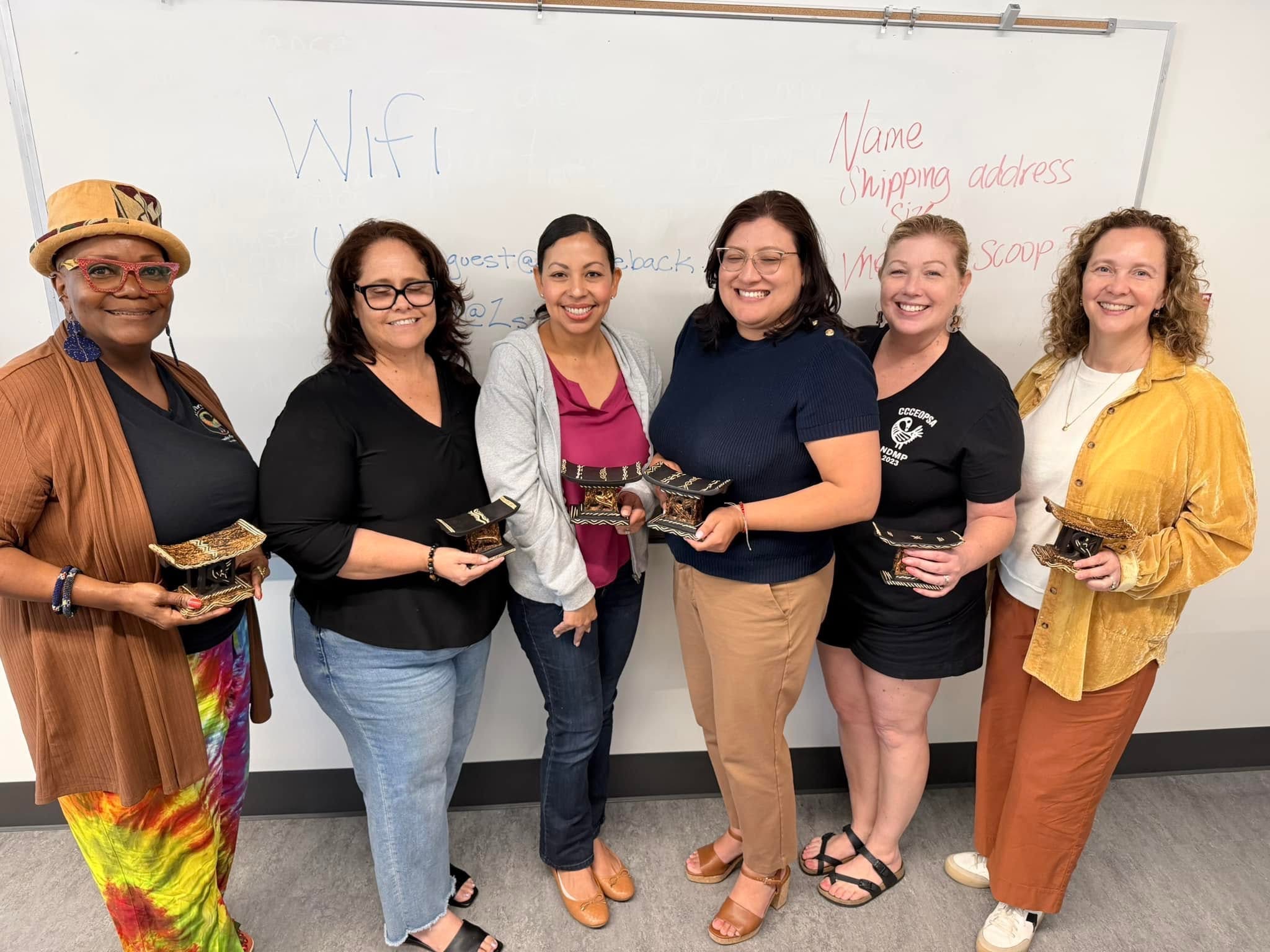
My ABPsi family was present.
My teachers, students, colleagues, and community were present.
The slide deck, the fabric, the altar objects, the images, the stories, the gestures, the laughter, the remembering — all of it was part of the pedagogy. All of it was part of the calabash.
My history was not behind me. It was with me.
It walked beside me as I taught. It spoke through me as I facilitated. It steadied me as I reflected. It reminded me that Sankofa Praxis is not only something I theorize. It is something I live.
That evening affirmed what I know deeply: we are shaped by those who poured into us, and we are responsible for what we pour forward.
Walking as We
The Sankofa Jegnaship Workshop created space for us to think deeply about legacy, leadership, cultural stewardship, and the responsibilities we carry across generations.
Together, we reflected on the Jegnas who shaped us, the seeds they planted, and the wisdom we are now called to cultivate. We considered what it means to move through the world not as isolated individuals, but as people formed through relationship, community, ancestry, and spirit.
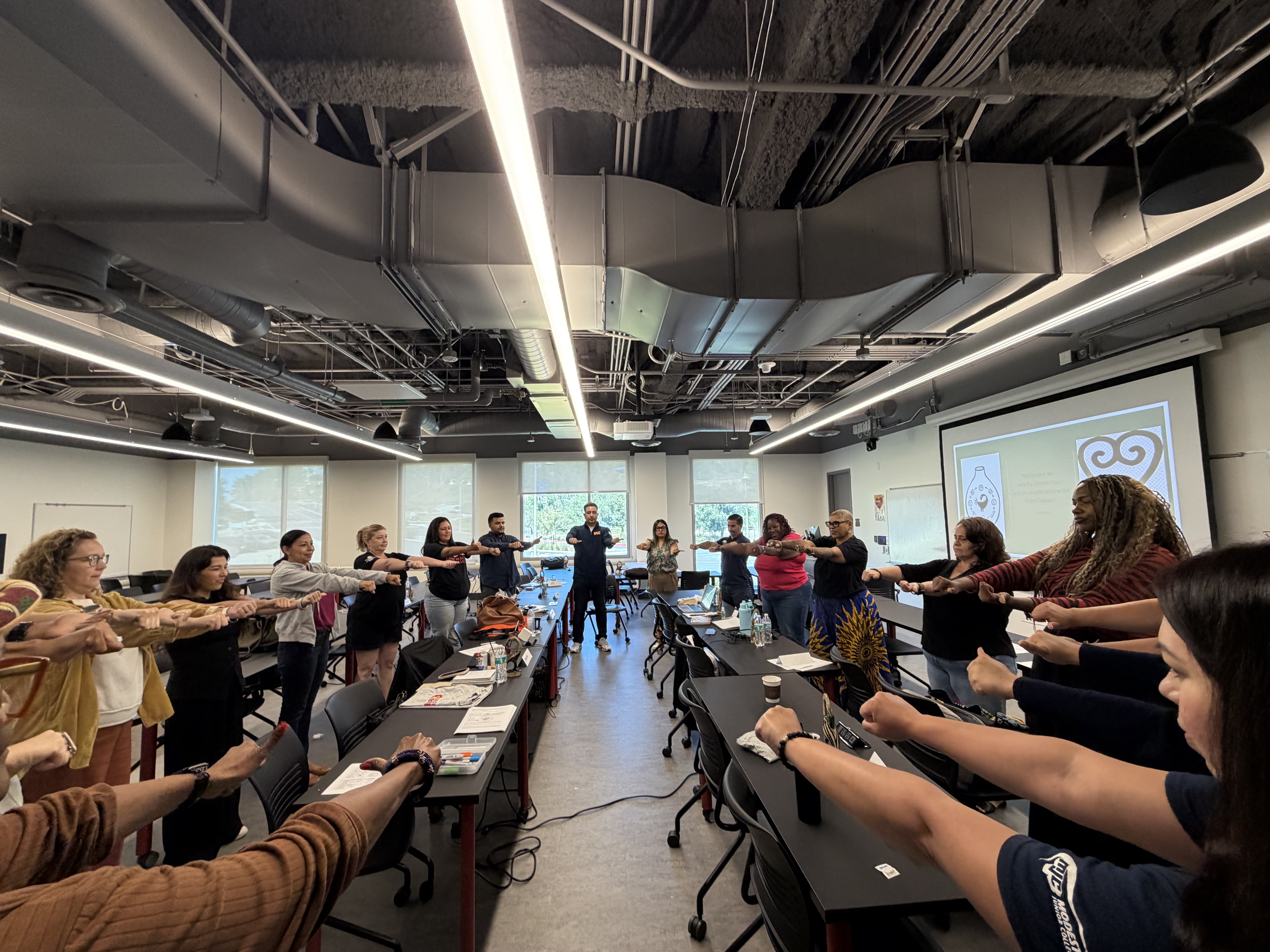
As I offered in the closing Ubuntu circle:
The Divine in me
joins the Divine in you,
and you and me become we, in the calabash.
Now we walk in the world as We and not Me.
— Wade W. Nobles, Ph.D., and Lawford Goddard, Ph.D.
Connect with Dr. Dee
If this reflection resonated with you — if you feel called to cultivate your own calabash, honor your Jegnoch, or bring Sankofa Jegnaship work to your community or organization — I would love to connect. To learn more about Sankofa Praxis, invite Dr. Dee to facilitate a workshop, or simply continue the conversation, visit SankofaPraxis.com or reach out directly at DrDee@SankofaPraxis.com.
Copyright and Permissions Statement
© 2026 Adeeba D. Deterville, Ph.D. / Sankofa Praxis LLC. All rights reserved.
This blog post, photographs, workshop materials, slide content, concepts, language, and related intellectual property are the original work of Dr. Adeeba D. Deterville unless otherwise noted. No part of this material may be copied, reproduced, distributed, taught, adapted, published, recorded, or used in whole or in part without prior written permission from Dr. Adeeba D. Deterville / Sankofa Praxis LLC.
Brief excerpts may be shared for educational or promotional purposes with full attribution and a link to the original post. Photographs may not be downloaded, reposted, cropped, edited, or otherwise reproduced without written permission.
All third-party references, organizational names, images, quotations, and artistic works remain the property of their respective owners and are acknowledged for educational, reflective, and cultural purposes.